Mummies found and recovered from archaeological sites have been regarded invaluable to various disciplines such as archaeology, anthropology, and paleopathology. Today, studies on mummies have expanded by means of rapidly updated research techniques and archaeological methodologies. Not only for scientific information, worldwide mummy research continues to trace the socio-cultural aspects of ancient peoples too, by which multifaceted knowledge is acquired in much detailed spatiotemporal contexts.
In general, rich cultural endowments of East Asian countries have been largely inaccessible to the scholars of other continents, due mainly to language barriers. The same can be true for mummy researches. Mistaken assumption that very few mummies have been found or investigated in East Asian countries so far is actually based on the misguided knowledge of environmental conditions in the region not favoring a mummification process. These concepts caused the prevailing belief among the academia that mummification is uncommon in East Asian countries.
All of this notwithstanding, the actual reality of mummy studies about East Asian countries is very different, according to well-designed studies on mummies discovered in Korea, China, and Japan have been ongoing over the past several decades. We note that scientific news of mummy discovery and research are often reported from those countries. In the wake of the scholarly achievements thus far, nowadays, academia agrees on the value of East Asian mummies in historical and scientific perspectives. Thanks to the growing body of literature, the scientific community comes to recognize East Asian mummies in cultural perspective.
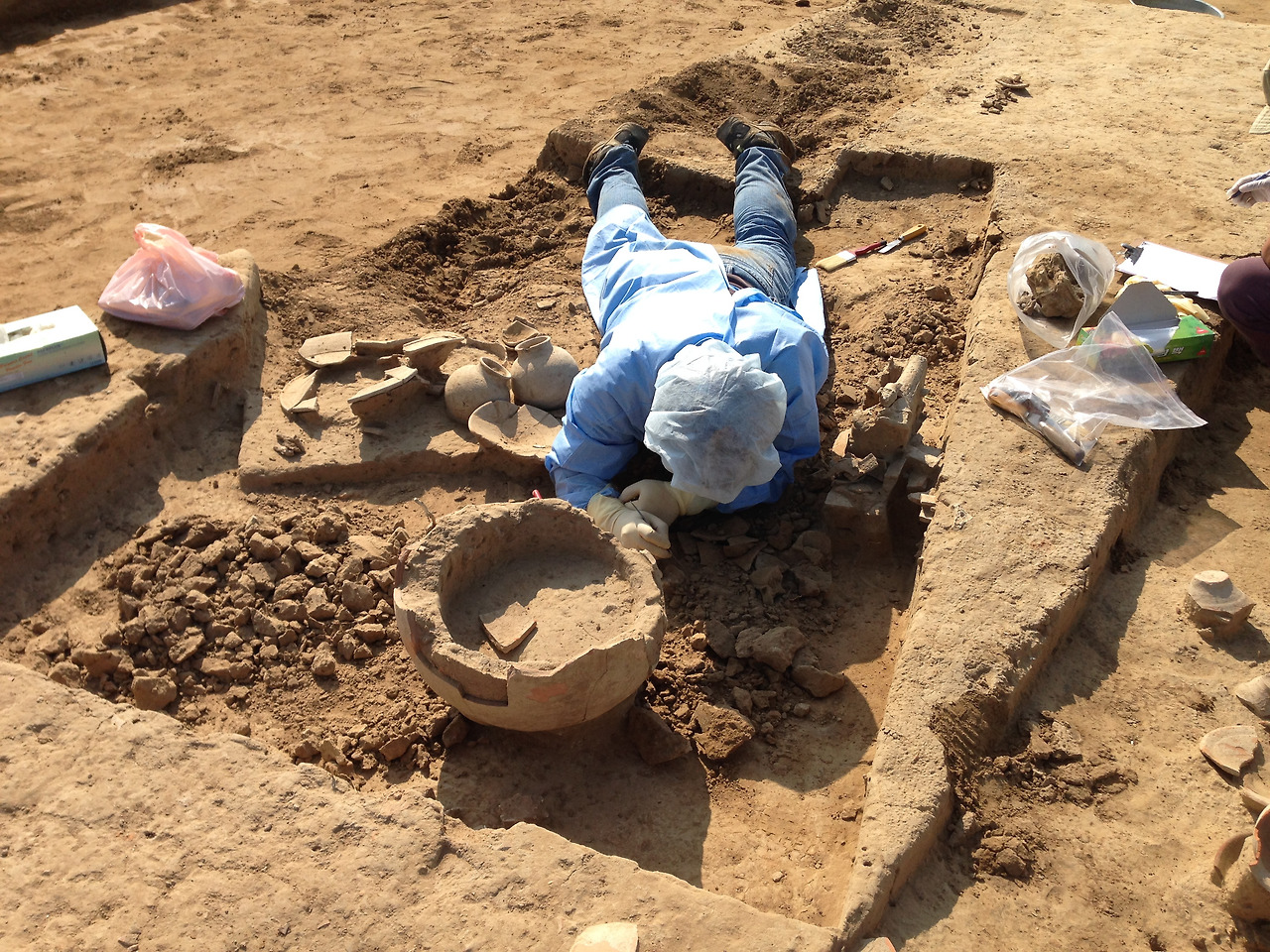
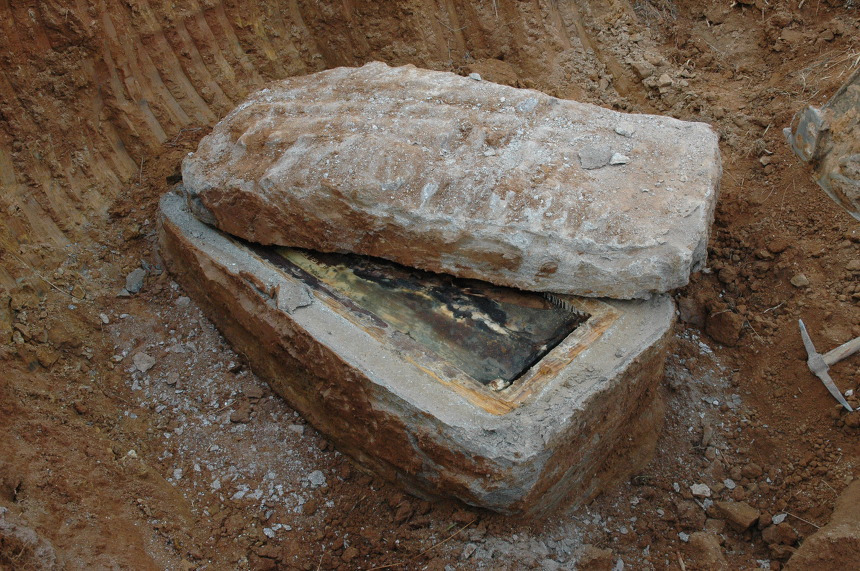
Nevertheless, the brief reviews and infrequent reports aside, the scientific details about the East Asian mummies are still scarce for us. This is also true for the information about Korea mummies from the fifteenth- to nineteenth-century graves of the Joseon dynasty period (1392–1910 CE). In Korea, mummies and associated artifacts have been found inside the Joseon graves. Academic data gleaned therefrom can be used as contextual information of the fifteenth- to nineteenth-century cultural remains and mummies.
Today, interdisciplinary research on Joseon mummies has yielded invaluable data about the Korean people and society in history, which was rarely revealed by any historical or anthropological reviews until recently. Although Joseon mummy investigation in South Korea was not easy until quite recently, even in cases where permission for such study had been granted, the situation nowadays is in favor of researchers.
In this blog, I try to provide an overview and synthesis of the Korean mummy work, completed to date, along with some of the more fascinating cultural and biomedical information so acquired. The topics are about the studies of genetics, parasitology, pathology, radiology etc. on the Korean mummies that were discovered inside the Joseon period graves.
This article based on: Shin, D.H., Oh, C.S., Hong, J.H., Shin, M.H., Kim, M.J., Lee, H.J. (2021). Joseon Dynasty Mummies of Korea. In: Shin, D.H., Bianucci, R. (eds) The Handbook of Mummy Studies. Springer, Singapore. https://doi.org/10.1007/978-981-15-3354-9_29